


Environmental and social due diligence (ESDD) assessment is a critical component of a financial institution’s environmental and social (E&S) management system. Reviewing consultation and communication with communities can help identify and avoid potential problems.
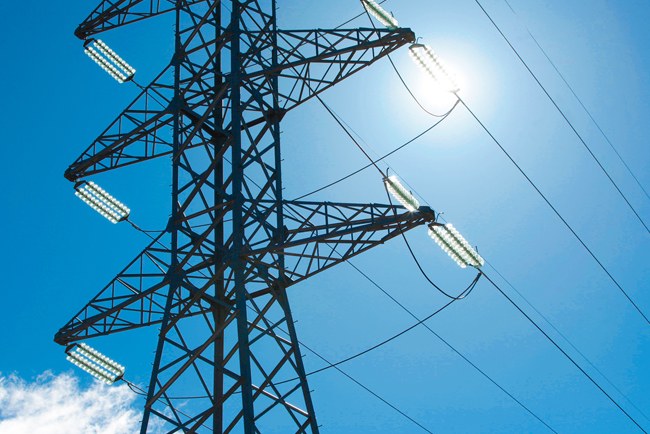
Infrastructure projects are often especially risky from an E&S standpoint. They can extend over several years and have many challenges—for example, involuntary resettlement, loss of biodiversity, impacts on Indigenous communities and other vulnerable groups, community and worker safety, pollution, and contamination, among others.
E&S due diligence is essential to identify these risks and assess the quality of mitigation measures. For example, for projects involving involuntary resettlement, reviewing relevant studies and the resettlement action plan can determine whether good industry practice is followed and reveal gaps that could harm the community or create risks for the project and its financiers. Similarly, assessing the consultation process and grievance mechanism shows whether feedback from affected communities is captured adequately and considered.
The Project
A Nigerian bank provided a $50 million bridge loan to support the wider financing of a $159 million power distribution project in southeast Nigeria. The loan supported construction of transmission poles and lines to distribute electricity generated by a 141-megawatt natural gas–fired plant.
Local residents had raised concerns about two E&S issues related to the power transmission line construction:
- Displacement without compensation, including displacement from farmlands that are the primary source of food and livelihood.
- Exposure to potential health and safety hazards from increased noise, pollution, dust, and traffic., and the risk of road accidents and electrocution from low-hanging wires during construction.
The bank failed to anticipate these issues because it didn’t conduct proper ESDD to assess the project’s risks and liabilities. A review of the consultation process and grievance mechanism would have helped project developers and their lenders identify community concerns. Without a comprehensive review, the bank was unaware that its client lacked an adequate plan to manage E&S issues, especially social risks. This failure led to community disputes, legal action, a court injunction, an 18-month project suspension, and substantial additional costs to remedy previously unidentified issues.
To address these issues, the bank’s client increased its engagement with local stakeholders and established a fund to compensate affected residents and communities for lost homes and livelihoods. The client also revised the project plan, including raising the height of electricity poles to reduce health and safety risks. After addressing these concerns, the court lifted the injunction, and the project resumed after the 18-month delay.

Failure to identify and manage E&S issues resulted in delays and extra costs for the financial institution
The transaction connecting a financial institution to its clients and investees also exposes it to risks associated with their operations. In this case, E&S issues led to a project suspension and 18-month delay, which forced the bank to restructure the financing to avoid writing off the $50 million loan. The bank also faced reputational risk and stigma from its association with a high-risk, controversial project.
ESDD assessments help financial institutions, their clients, and investees avoid E&S issues and adverse events that could jeopardize the client’s financial and operational viability and create risks for the financial ]institution.
Conducting ESDD for project finance is a key component of a financial institution’s E&S management system. The ESDD’s extent and level of detail are based on the transaction’s E&S risk category and vary by transaction type. When ESDD finds risks, it also helps define mitigation measures. Its outcome is important to deciding whether to proceed with a transaction, because E&S risks can create credit, liability, or reputational risks for financial institutions.
Clients and investees may face unexpected implications that can affect their financial and operational viability and create risks for the financial institution, including:
- Operational disruptions. Social issues (such as impacts on workers and communities) and environmental issues (such as deterioration of resources on which the operation depends) can affect a client’s or investee’s operations directly, endangering their ability to stay in business.
- Legal issues. Failure to comply with national E&S requirements (such as operating license requirements, occupational health and safety standards, and emission or discharge permits) or continually exhibiting negligence or noncompliance, can lead to fines, penalties, or loss of operating permits, causing indefinite suspension of operations. This can affect loan repayment and company valuation and thus its lenders and shareholders.
- Loss of market share. Clients and investees risk loss of market share if they can’t meet new E&S regulations or market demands for socially responsible or environmentally preferable products and services, reducing profits from existing operations.
- Liabilities and market devaluation. Clients and investees could face significant costs from contamination and damages or injuries to third parties from mandatory land or groundwater remediation. They may also face compensation claims for damages caused by their operations. These liabilities can be a significant financial burden and often result in market devaluation of assets, leading to devaluation of the financial institution’s collateral and potential liability.
- Poor reputation. As community awareness of E&S issues increases, client’s and investee’s operations face greater scrutiny to ensure good management and accountability. Poor E&S performance can trigger community opposition and delays or interruptions in operations. Negative public perception can damage a client’s or investee’s reputation, reduce demand for their products or services, affect financial and operational viability, and create risk for the financial institution.